Recovery · Performance
Does a Cold Plunge Really Help Recovery? What the Science Actually Shows
July 14, 2026 · 7 min read · The IV Hub Wellness
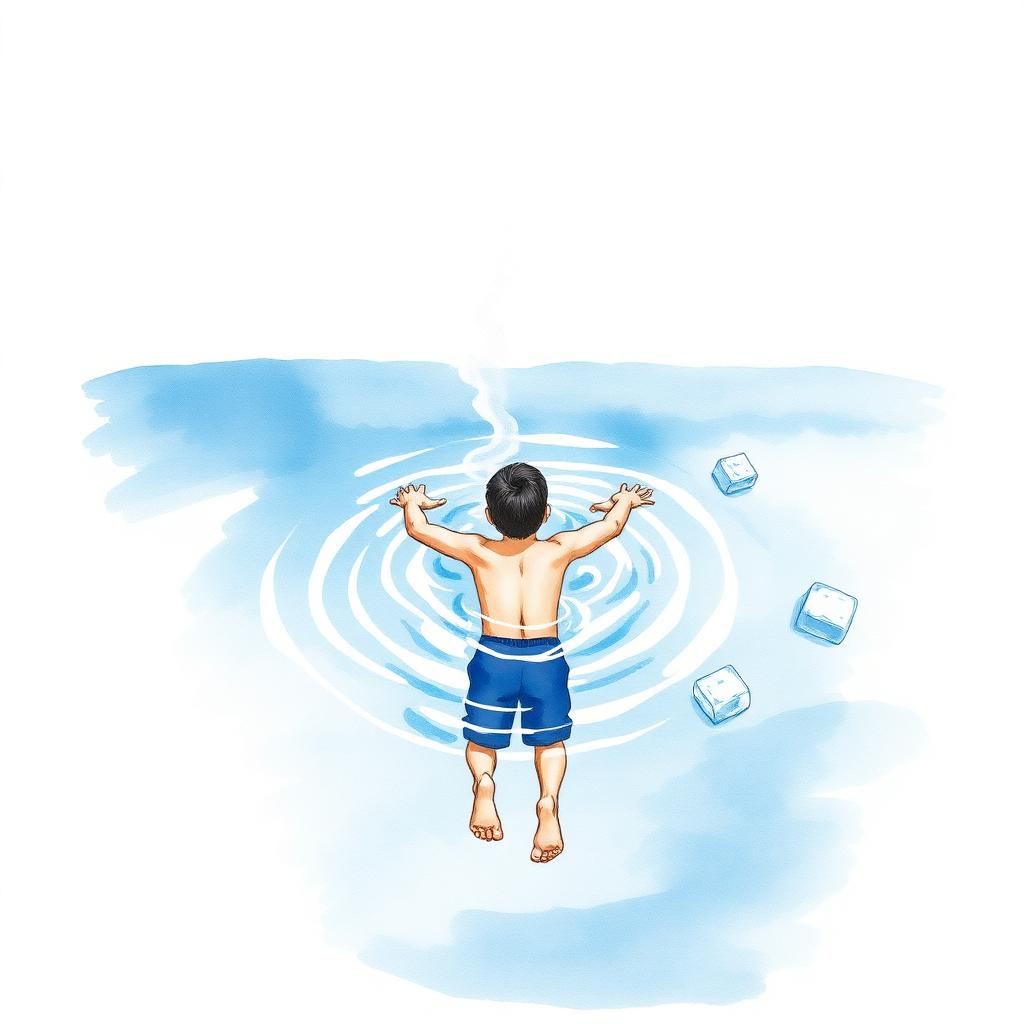
Cold plunges have gone from fringe athlete ritual to mainstream wellness in about three years. Instagram is full of clients gasping their way through 40-degree water and swearing it changed their life. But what does the research actually support, and what is just the placebo of doing something hard before sunrise?
Here is the honest, evidence-based answer — and how cold exposure fits into a broader recovery protocol that also includes hydration, micronutrients, and sleep.
What a Cold Plunge Actually Does to Your Body
When you submerge in water below about 60°F, three things happen almost immediately. Peripheral blood vessels constrict, forcing blood inward to protect your core. Your sympathetic nervous system fires — heart rate rises, breathing sharpens, and catecholamines (adrenaline, norepinephrine, dopamine) surge. And your body starts recruiting brown adipose tissue to generate heat.
That combination is why people step out feeling alert, clear-headed, and slightly euphoric. It is not a placebo. It is a measurable neurochemical event.
Recovery: What the Studies Actually Show
Multiple meta-analyses on cold-water immersion after exercise agree on a few things:
- Cold immersion reduces delayed-onset muscle soreness (DOMS) at 24, 48, and 72 hours post-exercise.
- It reduces perceived fatigue in endurance and team-sport athletes.
- It has minimal impact on measured strength recovery — sprint times, jump height, and peak force return at similar rates whether you plunge or not.
- It blunts muscle protein synthesis when done in the hour after resistance training.
The practical translation: if you are training for endurance, a plunge after a hard run helps you feel better and probably show up sharper tomorrow. If you are trying to add muscle, cold immediately after lifting is counterproductive. Save it for rest days or morning use.
The Inflammation Question
The classic argument for cold is that it lowers inflammation. That is partly true — cold reduces the acute inflammatory response, which is why soreness drops. But inflammation is not a villain. It is the signal that tells your body to rebuild stronger. Chronically suppressing it can slow adaptation.
What we tell athletes: use cold to manage a competition schedule, not to erase every training stimulus. If you are chasing a specific goal — hormone optimization, hair regrowth, better sleep — chronic inflammation is a bigger problem, and it is better addressed through micronutrient testing, hormone balance, and diet than through cold water.
The Dopamine and Mood Effect
The most compelling reason to cold plunge has nothing to do with muscles. A well-cited study from 2000 measured a ~250% increase in dopamine and ~530% increase in norepinephrine after one hour in 57°F water. Unlike the dopamine spike from caffeine or scrolling, this rise stays elevated for hours and does not create a crash.
That is why cold plunges consistently improve mood, motivation, and focus. For clients who feel flat, foggy, or unmotivated, cold exposure can be a legitimate, drug-free lever — often more effective than another cup of coffee.
How Cold Plunges Compare to IV Therapy for Recovery
Cold plunges and IV therapy work on different systems. Cold acts on the nervous system, circulation, and perceived soreness. IV therapy acts on cellular hydration, electrolyte balance, and micronutrient status. They are complementary, not competing.
Our Recovery IV drips deliver saline, magnesium, B-complex, taurine, and amino acids directly to muscle tissue. Cold reduces the feeling of soreness. An IV restores what the workout depleted. Athletes we treat commonly do both — cold in the morning, IV after a hard training block or before a race weekend.
How to Start Safely
- Begin with 30-second cold showers, working up to 2 to 3 minutes over two weeks.
- Progress to a plunge at 55°F for 2 to 3 minutes, aiming for 11 total minutes per week across sessions.
- Breathe slowly through the nose. The gasp response fades within 30 seconds once you slow the exhale.
- Rewarm passively — a warm room and dry clothes. Skip the sauna immediately after; let your core rewarm on its own for the metabolic benefit.
- Never plunge alone, especially in open water.
The Bottom Line
Cold plunges are legit — but they are not magic. They reliably reduce soreness, sharpen mood, and lift dopamine. They will not build muscle, replace hydration, or fix a nutrient deficiency. Used correctly, they are one high-value tool in a bigger recovery toolkit that includes IV hydration, sleep, protein, and hormone balance.
Recommended IV Options
Ready to put this into practice? These are the treatments our clinical team most often pairs with this topic.
IV Hydration Therapy
Custom drips for energy, immunity, recovery, hydration, and beauty — delivered directly to your bloodstream.
Learn more →Sermorelin Injections
Growth-hormone-releasing peptide supporting sleep, recovery, energy, and healthy aging.
Learn more →Vitamin Injections
B12, MIC, Vitamin D, glutathione and more — fast, targeted delivery without the pill bottle.
Learn more →