Nutrition · Medical Weight Loss
Foods That Help You Lose Weight: A Doctor-Backed Guide from The IV Hub Wellness
July 6, 2026 · 9 min read · The IV Hub Wellness
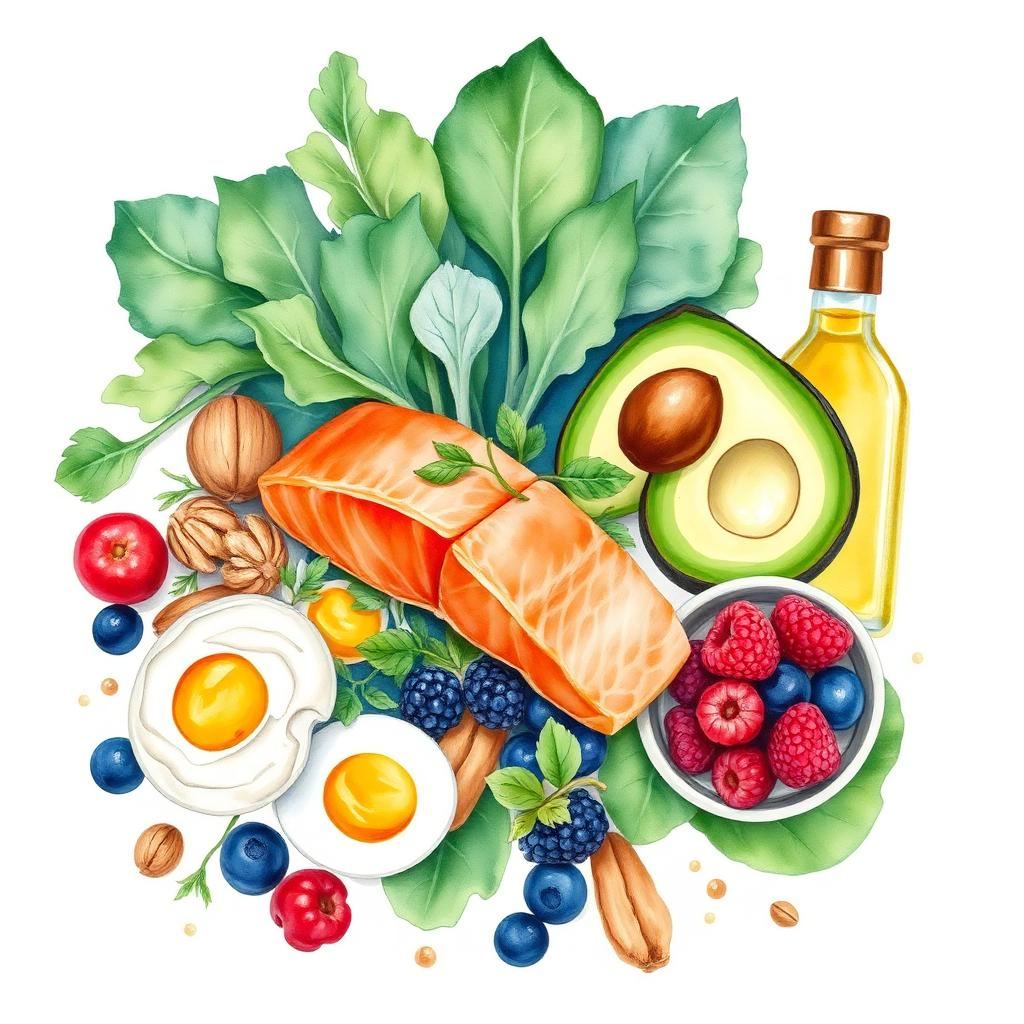
Ask ten different sources what to eat for weight loss and you'll get ten conflicting answers — keto, carnivore, intermittent fasting, plant-based, Mediterranean. The truth is far simpler and far more forgiving. At The IV Hub Wellness, our medical weight loss patients across Medford, Stoneham, Burlington, and Danvers succeed with a nutrition framework built on four science-backed principles: protein first, fiber always, healthy fats generously, and processed food rarely. This guide walks you through the exact foods we recommend, why they work, and how they pair with the therapies that make sustainable fat loss achievable.
Why Food Choice Matters More Than Calorie Counting
You've probably heard the phrase "calories in, calories out." It's true in a laboratory. In real life — with hormones, cravings, sleep, stress, and a gut microbiome all voting on what you do next — the type of calorie matters enormously. Two hundred calories of grilled salmon and spinach do something completely different in your body than two hundred calories of a granola bar. The salmon triggers satiety hormones, feeds muscle, and stabilizes blood sugar. The granola bar spikes insulin, drives hunger back within an hour, and stores easily as fat. Choose the foods below consistently and you rarely need to count anything.
The Foundation: High-Quality Protein
Protein is the most important macronutrient for weight loss. It is the most satiating, the most metabolically active (your body burns roughly 25 to 30 percent of its calories just digesting it), and the only nutrient that preserves lean muscle while you're in a calorie deficit. Muscle is your metabolic engine — lose it, and your resting metabolic rate drops for years.
Aim for 30 grams of protein at every meal from sources like:
- Wild-caught salmon, sardines, and mackerel — protein plus anti-inflammatory omega-3s
- Pasture-raised eggs — the gold standard for bioavailability and choline (which supports fat metabolism)
- Grass-fed beef, bison, and lamb — rich in creatine, carnitine, and B12
- Skinless chicken and turkey — versatile everyday staples
- Greek yogurt and cottage cheese — high protein per calorie and probiotic-friendly
- Lentils, chickpeas, and edamame — plant-based protein with built-in fiber
- Whey or grass-fed protein powder — the easiest way to close a protein gap, especially for medical weight loss patients
Fiber: The Underrated Weight-Loss Powerhouse
Fiber slows digestion, feeds the beneficial bacteria in your gut, stabilizes blood sugar, and physically fills your stomach. Most Americans eat 10 to 15 grams a day; the target for weight loss is 30 to 40 grams. Prioritize:
- Leafy greens — spinach, kale, arugula, romaine, Swiss chard
- Cruciferous vegetables — broccoli, cauliflower, Brussels sprouts, cabbage (bonus: they support estrogen metabolism, which matters for hormonal weight)
- Berries — blueberries, raspberries, blackberries, strawberries — highest fiber, lowest sugar of any fruit
- Avocados — 10 grams of fiber and healthy monounsaturated fat in one fruit
- Chia and flax seeds — sprinkle on yogurt or blend into smoothies
- Legumes — black beans, lentils, chickpeas
- Oats and quinoa — slow-release carbs when you need them
Healthy Fats: Your Hormones Need Them
The low-fat era wrecked a generation of metabolisms. Fat does not make you fat — refined carbs and sugar do. Fat keeps you full, supports hormone production (including the sex hormones we address in our BHRT program), and helps you absorb fat-soluble vitamins A, D, E, and K. Eat regularly:
- Extra-virgin olive oil — the cornerstone of the Mediterranean diet
- Avocado and avocado oil
- Nuts and seeds — almonds, walnuts, pumpkin seeds, pistachios (a handful, not a bag)
- Fatty fish — omega-3s are anti-inflammatory and support brain health
- Grass-fed butter and ghee — in moderation, for cooking
- Coconut oil — medium-chain triglycerides your body uses quickly for energy
What to avoid: industrial seed oils (soybean, corn, canola, cottonseed), which dominate processed foods and drive systemic inflammation.
Fermented Foods for a Weight-Friendly Gut
Your gut microbiome influences hunger, insulin sensitivity, and how many calories you extract from food. A daily serving of fermented food is one of the highest-leverage moves you can make:
- Plain kefir or Greek yogurt with live cultures
- Sauerkraut (refrigerated, unpasteurized)
- Kimchi
- Kombucha (watch the sugar)
- Miso and tempeh
If you suspect gut issues are stalling your progress — bloating, irregular digestion, unexplained fatigue — our micronutrient testing and Diagnostic Blueprint labs can identify the root cause.
Thermogenic Foods That Nudge Metabolism
Certain foods actively increase energy expenditure or blunt appetite. They aren't magic bullets, but they compound:
- Green tea — catechins (particularly EGCG) modestly boost fat oxidation
- Coffee — caffeine raises metabolic rate 3 to 11 percent; skip the syrups and cream
- Chili peppers — capsaicin briefly raises metabolism and reduces appetite
- Apple cider vinegar — one tablespoon before a carb-heavy meal blunts blood sugar spikes
- Ginger and turmeric — anti-inflammatory support that helps recovery and cravings
- Water — mild dehydration is often mistaken for hunger; aim for half your body weight in ounces daily
A Sample Day of Eating for Weight Loss
Breakfast. Three-egg omelet with spinach, mushrooms, and feta, plus a half-cup of berries. About 35 grams of protein and 8 grams of fiber to start the day.
Lunch. A large mixed-greens salad topped with grilled chicken or salmon, avocado, chickpeas, cucumber, olives, and olive oil. Around 40 grams of protein and 15 grams of fiber.
Snack. Greek yogurt with chia seeds and walnuts, or a scoop of protein powder blended with unsweetened almond milk.
Dinner. Grilled steak or wild fish, roasted Brussels sprouts and sweet potato, and a small side of kimchi or sauerkraut. Roughly 40 grams of protein and another 10 grams of fiber.
That's 115+ grams of protein, 35+ grams of fiber, generous healthy fats, and you'll rarely feel deprived.
What to Cut First
You'll see faster results by removing the biggest offenders than by chasing perfection:
- Sugar-sweetened beverages (soda, sweet tea, sweetened coffee drinks, juice)
- Alcohol during an active fat-loss phase
- Refined flour products — white bread, pastries, chips, crackers
- Ultra-processed snacks with long ingredient lists
- Fast food, especially anything fried in seed oils
- "Low-fat" packaged foods, which almost always replace fat with sugar
Where Food Alone Isn't Enough
Nutrition is the foundation, but many patients — especially those over 35 — hit a wall that food cannot break through alone. Hormones shift, thyroid slows, insulin resistance sets in, and stubborn fat becomes almost impossible to move with willpower. That is where medical support changes the equation.
Our integrated program combines:
- Medical weight loss for patients ready for a supervised, medication-supported approach
- Lipo-Mino and B12 injections to support fat metabolism and energy
- IV hydration therapy to correct the dehydration that mimics hunger and stalls recovery
- Bio-identical hormone therapy and testosterone therapy when hormone decline is the true bottleneck
- Micronutrient testing and Diagnostic Blueprint labs to expose deficiencies quietly sabotaging progress
- Sermorelin peptide therapy to preserve lean muscle and improve recovery
- Low-Dose Naltrexone (LDN) when chronic inflammation is driving weight resistance
Ready to Build a Plan That Actually Works?
The best diet is the one you can sustain. At The IV Hub Wellness we don't hand out generic meal plans — we look at your labs, your history, your hormones, and your goals, then build a nutrition and medical strategy that fits your life across our Medford, Stoneham, Burlington, and Danvers locations.
Recommended IV Options
Ready to put this into practice? These are the treatments our clinical team most often pairs with this topic.
Medical Weight Loss
Physician-supervised weight loss with metabolic testing, coaching, and personalized protocols.
Learn more →Micronutrient Testing
See exactly which vitamins, minerals, and antioxidants your body is missing — no more guessing.
Learn more →Vitamin Injections
B12, MIC, Vitamin D, glutathione and more — fast, targeted delivery without the pill bottle.
Learn more →